
- Why Are My Teeth Yellow? Causes & How to Whiten Them Safely
- Looking for Chippewa Falls Dental Care? Here’s What to Consider First
- Searching for a Dentist Near Me? What to Look for in A Quality Dental Practice
- Dentists in Chippewa Falls, WI: From Routine Checkups to Advanced Treatments
- Why Great Dental Care Is About More Than Clean Teeth
What is the Difference Between a Dentist and a Dental Hygienist
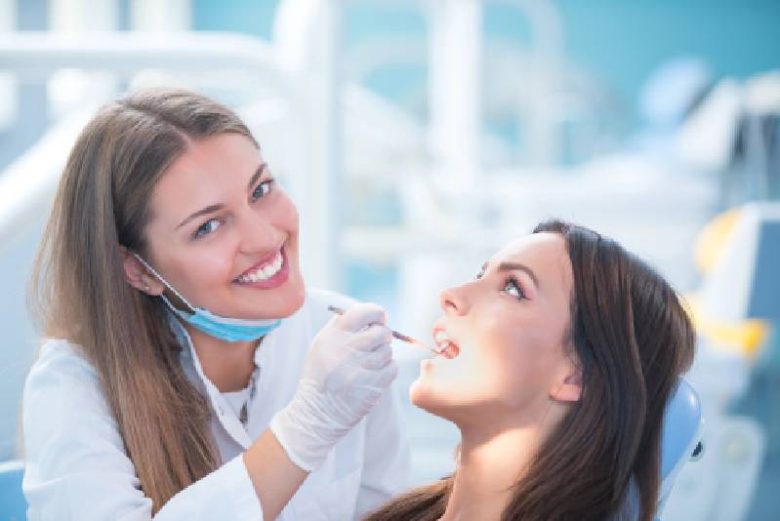
When you walk through the doors of Winn Family Dentistry, you are greeted by a team of professionals dedicated to your smile. However, for many patients, the roles of the various people in scrubs can seem a bit blurred. You spend a significant amount of time with the person cleaning your teeth, and then a shorter, more intensive period with the person examining your X-rays.
Understanding the distinction between a dentist vs dental hygienist is more than just trivia; it helps you know who to ask which questions and helps you appreciate the collaborative care you receive at our dental clinic Chippewa Falls. Both roles are essential, but they require different training, carry different responsibilities, and focus on different aspects of your oral health.
The Dental Hygienist: Your Front-Line Prevention Specialist
If the dental office were a specialized hospital, the dental hygienist Chippewa Falls would be the highly skilled specialist focused on prevention and maintenance. They are often the first clinical face you see during your family dentist Chippewa Falls WI visit.
Education and Licensing
A dental hygienist must complete an accredited dental hygiene program (usually an Associate’s or Bachelor’s degree) and pass rigorous state and national board exams. Their education is deeply focused on oral anatomy, periodontology (the study of gums), and the technical skills required to remove hard deposits from teeth.
Primary Responsibilities
The hygienist is the master of “pre-hab.” Their goal is to prevent issues before they require a doctor’s intervention. Their duties include:
- Professional Cleanings: Using specialized tools to remove plaque and tartar (calculus) that a standard toothbrush cannot budge.
- Periodontal Screening: Checking the depth of the “pockets” between your teeth and gums to screen for gingivitis or gum disease.
- Patient Education: This is a huge part of the role. Your hygienist is your coach, showing you better flossing techniques or recommending specific products for your unique mouth.
- X-Ray Imaging: They are usually the ones capturing the high-resolution images that allow us to see what’s happening beneath the surface.
The Dentist: The Chief Medical Officer of Your Mouth
While the hygienist focuses on prevention, the dentist Chippewa Falls WI is the primary care provider and “surgeon” for your oral health. Think of the dentist as the architect and the medical director of your treatment plan.
Education and Licensing
The path to becoming a local dentist Chippewa Falls is extensive. It requires a four-year undergraduate degree followed by four years of dental school to earn either a DDS (Doctor of Dental Surgery) or a DMD (Doctor of Dental Medicine). These degrees are identical in terms of training; the title simply depends on the university attended.
Primary Responsibilities
The dentist’s role involves diagnosis, treatment, and surgery. Their duties include:
- Comprehensive Examination: Analyzing the data collected by the hygienist to diagnose cavities, bone loss, or oral cancer.
- Restorative Procedures: This includes fillings, crowns, bridges, and the root canal treatment we discussed previously.
- Surgical Interventions: Extractions, dental implant placement, and gum surgery.
- Prescription Authority: Dentists can prescribe antibiotics, high-strength fluoride, or pain management medications when necessary.
- Treatment Planning: Designing the long-term roadmap for your smile, whether that involves cosmetic enhancements or functional repairs.
Comparing Roles at a Glance
To make the dentist vs dental hygienist comparison even clearer, here is a quick breakdown of how they differ in the day-to-day operations of our dental clinic Chippewa Falls:
| Feature | Dental Hygienist | Dentist |
| Primary Focus | Prevention and Maintenance | Diagnosis and Treatment |
| Education | 2–4 Years (Specialized Hygiene) | 8 Years (Doctorate) |
| Common Task | Scaling and Polishing | Fillings, Crowns, Surgery |
| Role in Checkup | Deep cleaning and data gathering | Final exam and diagnosis |
| Patient Interaction | Long duration (45–60 mins) | Targeted duration (10–20 mins) |
The Dental Checkup Process: A Tag-Team Effort
At Winn Family Dentistry, we utilize a collaborative dental checkup process to ensure nothing is missed. Here is how the dentist hygienist duo works together during your routine visit:
- The Intake: Your dental hygienist Chippewa Falls begins by reviewing your medical history and asking about any new sensitivities or concerns.
- The Cleaning: The hygienist performs the “heavy lifting,” removing buildup and polishing your teeth to a shine.
- The Data Collection: The hygienist takes X-rays and performs a periodontal (gum) exam. They note any “areas of interest” to point out to the doctor.
- The Handoff: The hygienist briefs the dentist Chippewa Falls WI on their findings. This “huddle” ensures the dentist knows exactly what to look for.
- The Doctor’s Exam: Your local dentist Chippewa Falls performs the clinical exam, checking for decay, oral cancer, and bite alignment.
- The Consultation: Both professionals may then discuss recommendations with you—the hygienist focusing on home care and the dentist focusing on necessary restorative work.
Why the Partnership Matters
You might wonder, “Why can’t the dentist just do the cleaning?” While a dentist is certainly trained to clean teeth, having a dedicated dentist hygienist team allows for a higher standard of care. Because the hygienist spends an hour focusing exclusively on your gums and tooth surfaces, they often catch subtle changes in your oral health that a doctor moving between surgical procedures might not see as quickly.
Conversely, having a family dentist Chippewa Falls WI available to step in immediately if the hygienist spots a problem means you don’t have to wait for a second appointment to get a diagnosis. This partnership is the backbone of any high-quality dental clinic Chippewa Falls.
FAQ: Understanding Your Dental Team
1. Is a dental hygienist a “nurse” for teeth?
While the comparison is common, it’s not quite accurate. In a medical setting, a nurse often assists a doctor with a single task. In a dental setting, a hygienist works quite autonomously. They have their own specialized scope of practice and are responsible for their own specific portion of the dental checkup process.
2. Can a dental hygienist perform fillings?
In the state of Wisconsin, the laws regarding “Expanded Function Dental Auxiliaries” are specific. Generally, the actual removal of decay and the shaping of a cavity must be done by the dentist Chippewa Falls WI. However, some highly trained hygienists can assist in placing or finishing filling materials under the doctor’s supervision.
3. Why does the dentist spend less time with me than the hygienist?
The hygienist’s tasks—scaling and polishing—are physically time-consuming. The local dentist Chippewa Falls focuses on the highly technical task of diagnosis and treatment planning. The dentist’s “short” time with you is backed by years of doctoral education that allows them to interpret your X-rays and clinical findings in a matter of minutes.
4. Who should I ask about tooth whitening or new toothbrushes?
The dental hygienist Chippewa Falls is usually your best resource for products and maintenance! They stay up-to-date on the latest brushes, flosses, and whitening strips. If you are looking for professional, in-office whitening, your hygienist will likely handle the application, while the dentist oversees the safety of the procedure.
5. Can I see a hygienist without seeing a dentist?
At most dental clinic Chippewa Falls locations, including Winn Family Dentistry, a dentist must perform a periodic exam to maintain a “patient of record” status. While you might come in just for a cleaning, the dentist’s oversight is legally and clinically required to ensure that the cleaning is safe for you (for example, ensuring you don’t have a heart condition that requires antibiotics before a cleaning).