
- Searching for a Dentist Near Me? What to Look for in A Quality Dental Practice
- Dentists in Chippewa Falls, WI: From Routine Checkups to Advanced Treatments
- Why Great Dental Care Is About More Than Clean Teeth
- Family Dental Care in Chippewa Falls: What Patients Should Expect
- Nervous About the Dentist? Here’s What Pain-Free Dentistry Actually Means
Pregnancy and Dental Health, Your Questions Answered Here
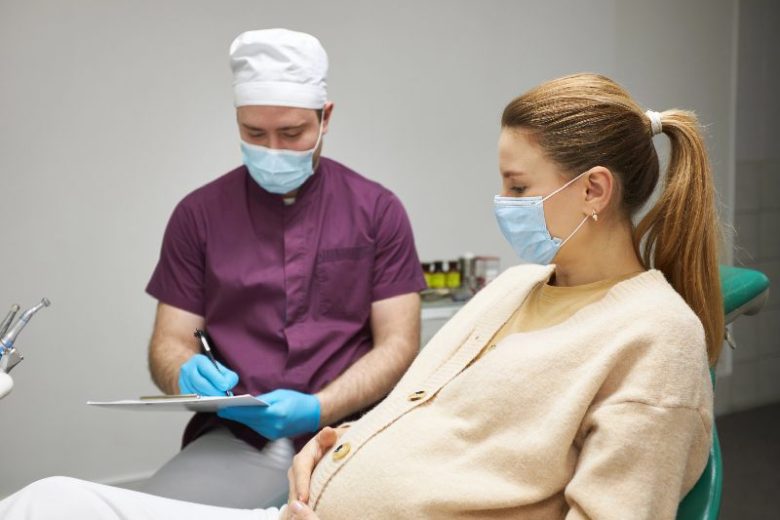
Pregnancy is a time of incredible transformation, filled with a long list of preparations, doctor appointments, and lifestyle adjustments. Amid the excitement of prepping the nursery and planning for your new arrival, one crucial aspect of prenatal care often gets overlooked: your oral health.
At Winn Family Dentistry, we frequently meet expectant mothers who are unsure about whether they should visit the dentist while pregnant. There are many lingering myths surrounding pregnancy and dental health, leading some women to skip their routine cleanings altogether out of caution.
As a dedicated family dentist Chippewa Falls mothers trust, we want to clear up the confusion. Taking care of your teeth and gums is not only completely safe during pregnancy, but it is also vital for the health of both you and your developing baby. Let us walk you through everything you need to know about navigating oral care during these exciting nine months.
The Surprising Link Between Pregnancy Hormones and Your Gums
Many women notice distinct changes in their mouths during pregnancy. You might find that your gums are suddenly tender, swollen, or prone to bleeding during your daily brushing and flossing routine. This is not a coincidence; it is a direct result of hormonal shifts.
During pregnancy, your body experiences a massive surge in estrogen and progesterone. These hormones naturally increase blood flow to all of your mucous membranes, including your gum tissues. This increased circulation makes your gums significantly more sensitive to the bacteria found in everyday plaque.
This condition is widely known as pregnancy gingivitis. If left unmanaged by a professional dentist in Chippewa Falls WI, this mild inflammation can occasionally progress into a more serious form of gum disease called periodontitis. Research indicates that chronic, untreated gum disease in expectant mothers can increase the risk of systemic complications, including pre-term birth and low birth weight. This is exactly why proactive dental care is a cornerstone of a healthy pregnancy.
Morning Sickness and Its Impact on Tooth Enamel
Morning sickness is a challenging reality for many expectant mothers, particularly during the first trimester. While it is tough on your energy levels, it can also take a severe toll on your smile.
Stomach acid is highly corrosive. When morning sickness brings this acid into contact with your teeth, it can temporarily soften and erode the hard, protective layer of enamel. If you immediately brush your teeth right after an episode of sickness, you might accidentally scrub away some of this softened enamel.
To protect your teeth during periods of morning sickness, we recommend a simple alternative routine:
1.Rinse thoroughly with water: Immediate Action.
As soon as you are done, rinse your mouth completely with plain water to wash away the bulk of the loose stomach acid.
2.Use a baking soda rinse: Neutralization.
Mix a teaspoon of baking soda into a small glass of water and rinse. Baking soda is alkaline, meaning it will instantly neutralize the remaining acids on your teeth.
3.Wait before brushing: Waiting Period.
Wait at least 30 minutes before using a toothbrush. This gives your saliva enough time to naturally minerals back into your enamel, hardening it up again.
4.Brush with fluoride toothpaste: Brushing.
Once the waiting period is over, brush gently using a soft-bristled toothbrush and a fluoridated toothpaste to strengthen your smile.
Navigating Dental Treatments Safely Across Trimesters
A common concern we address at our Chippewa Falls dental office is whether routine treatments or emergency procedures are safe for an unborn baby. The consensus among both dental and medical professionals is clear: routine preventive care is safe and encouraged at any stage of pregnancy.
However, the timing of elective or restorative treatments can vary based on your comfort and development:
The First Trimester
This is a critical period of development for your baby’s organs. While routine cleanings are safe, we generally prefer to postpone elective dental work, such as cosmetic bonding or teeth whitening, until after delivery.
The Second Trimester
This is widely considered the ideal window for any necessary dental restorations, like fillings or dental crowns. By this stage, morning sickness has usually subsided for many women, and the baby is not yet large enough to make lying back in the dental chair uncomfortable.
The Third Trimester
While treatments remain safe, sitting or lying flat on your back for extended periods can become physically uncomfortable during the final months. If you require urgent dental treatment late in your pregnancy, our team will utilize specialized pillows and adjust the chair angle to keep you completely safe and relaxed.
If you ever experience sudden tooth pain, swelling, or signs of an infection, do not wait until after you give birth to seek help. A dental infection poses a far greater risk to your overall wellness than a straightforward dental treatment. Simply look up a trusted Dentist near me and get evaluated right away.
Frequently Asked Questions
Are dental X-rays safe to receive during pregnancy?
Yes, modern diagnostic dental X-rays are completely safe during pregnancy. Our practice utilizes digital X-rays, which emit extremely low doses of radiation. Furthermore, we always use a protective lead apron and a thyroid collar to shield your abdomen and neck, ensuring absolute safety for both you and your baby.
What are pregnancy tumors, and should I be worried?
Despite the intimidating name, pregnancy tumors (or pyogenic granulomas) are completely benign, non-cancerous growths that can appear on the gum tissue. They usually develop during the second trimester and look like small, red, raw lumps that bleed easily. They are typically caused by extreme localized irritation from plaque combined with pregnancy hormones. In most cases, they disappear on their own after delivery.
Can I use local anesthesia if I need a filling while pregnant?
Yes, local anesthetics such as lidocaine are safe to use during pregnancy if you require a filling or a root canal. Controlling your pain is important, as maternal stress and discomfort can affect your well-being. Always make sure to inform our team about your pregnancy so we can select the appropriate type and dosage of anesthetic.
Why am I craving sweets more, and how does it affect my teeth?
Hormonal changes can trigger unusual food cravings, and many women find themselves reaching for sugary snacks or acidic fruits more frequently. Frequent snacking provides a constant food source for plaque bacteria, increasing your risk of cavities. Try to opt for tooth-healthy alternatives like cheese, yogurt, or crisp vegetables, and rinse your mouth with water after snacking.
Does the baby draw calcium directly from the mother’s teeth?
No, this is a very old myth. There is an old saying that claims “gain a child, lose a tooth,” suggesting the baby steals calcium from your smile. This is biologically impossible. Your baby receives all necessary calcium through your dietary intake and your bones, not your teeth. If you experience tooth decay during pregnancy, it is typically due to increased acidity in the mouth, frequent snacking, or changes in home care habits.
Experience Personalized Care at Winn Family Dentistry
Your path to a healthy pregnancy includes taking care of your physical body from head to toe, and your smile is a major piece of that puzzle. At our family dental center Chippewa Falls mothers trust, we are dedicated to providing gentle, compassionate, and highly informative care tailored to your changing needs.
We look forward to partnering with you to keep your smile bright, healthy, and strong throughout your pregnancy and beyond. Contact our team today to schedule your next wellness appointment.