
- Walk-In Dentist or Emergency Dentist? What to Do When Pain Hits
- Affordable Dentist in Chippewa Falls: Insurance, Payment Plans and Costs
- Best Kids Dentist in Chippewa Falls: What to Look For
- How Do I Know if I Have a Cavity? Tips from a Chippewa Falls Dentist
- What Is the Importance of Emergency Dentist Services
Walk-In Dentist or Emergency Dentist? What to Do When Pain Hits
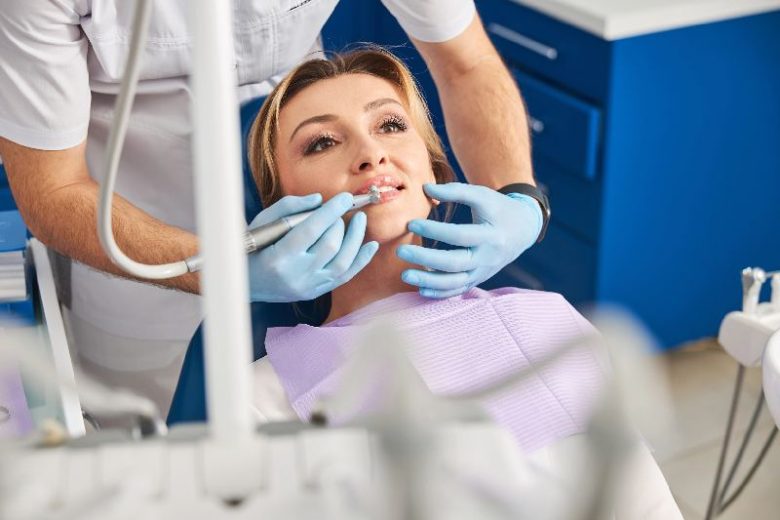
A sudden, throbbing toothache or an unexpected injury to the mouth can strike without warning. During a dental crisis, knowing where to turn for immediate treatment is critical. Many patients facing severe discomfort start searching online for a walk-in dentist near me or try to find an emergency dental clinic near me to get fast relief. However, understanding the difference between walk-in services and dedicated emergency treatment helps ensure you receive the right level of care at the right time.
At Winn Family Dentistry in Chippewa Falls, we see how stressful sudden dental issues can be for individuals and families. Knowing what steps to take when dental pain strikes will help you protect your teeth, manage discomfort safely, and secure the urgent attention you need.
Understanding the Difference: Walk-In Dentist vs. Emergency Dentist
While these terms are often used interchangeably, distinct differences exist between walk-in clinics and emergency dental care.
Walk-In Dental Services
Walk-in dental care primarily caters to convenient, routine, or minor non-urgent concerns without requiring a pre-scheduled appointment. Patients are typically seen on a first-come, first-served basis during standard office hours.
Common issues handled at walk-in appointments include:
- Minor tooth sensitivities to hot or cold temperatures
- Small chipped teeth without severe pain or sharp edges
- Mild gum irritation or food lodged between teeth
- Lost or loose temporary fillings or crowns
- General consultations for non-urgent oral health questions
While a walk-in appointment provides convenience for minor issues, wait times can fluctuate depending on daily patient schedules.
Emergency Dental Care
Emergency dental care focuses on immediate intervention for severe pain, active bleeding, traumatic injuries, or spreading infections. Emergency providers prioritize urgent cases to save damaged teeth, stop bleeding, and prevent dangerous health complications.
Situations requiring immediate emergency treatment include:
- Severe, persistent toothaches that radiate to the jaw or ear
- Fully knocked-out (avulsed) or partially dislodged permanent teeth
- Abscesses or visible swelling in the gums, face, or neck
- Uncontrolled bleeding from the mouth following trauma or extraction
- Fractured or broken teeth with exposed nerves causing intense pain
If you are searching for urgent dental care near me, connecting with a team equipped for dental emergencies ensures you receive targeted, immediate treatment.
Triage Guide: Is Your Dental Situation an Emergency?
Determining whether your situation requires urgent attention or can wait for a standard office appointment prevents unnecessary delays in care.
1. The Severity of Pain
Mild discomfort or brief sensitivity to cold drinks usually indicates minor decay or enamel wear. This can typically be addressed during regular office hours. However, sudden, sharp, or throbbing pain that keeps you awake at night signals an infection or nerve damage requiring immediate evaluation.
2. Presence of Swelling
Swelling in the gums, jaw, or cheek is a major red flag. Dental infections can form abscesses (pus-filled pockets) that spread rapidly to surrounding tissues. If facial swelling is accompanied by fever, difficulty swallowing, or trouble breathing, seek urgent care immediately.
3. Traumatic Physical Injury
Sports collisions, falls, or accidents that cause direct physical damage to your teeth require immediate dental evaluation. A knocked-out tooth can often be saved if re-implanted by a dentist within 30 to 60 minutes of the injury.
4. Bleeding That Will Not Stop
While minor bleeding after aggressive flossing can occur, persistent bleeding following an impact or trauma requires prompt professional intervention to control blood loss and evaluate underlying structural damage.
What to Do Immediately When Dental Pain or Trauma Hits
Taking the correct first steps at home before reaching the clinic can significantly improve treatment outcomes and relieve discomfort.
For a Knocked-Out Tooth
- Handle carefully: Pick up the tooth by the crown (top part), never by the root.
- Rinse gently: If dirty, rinse the tooth briefly with clean water or milk. Do not scrub or remove attached tissue fragments.
- Keep it moist: Try to place the tooth back into its socket gently. If that is not possible, submerge the tooth in a small container of milk or saline solution.
- Act fast: Visit an emergency dental office within an hour for the highest chance of successful reattachment.
For a Severe Toothache
- Rinse with warm salt water: Mix half a teaspoon of salt into warm water and swish gently to clean the area and reduce tissue inflammation.
- Floss carefully: Remove any trapped food debris that might be causing localized pressure or gum irritation.
- Use cold compresses: Apply an ice pack wrapped in a cloth to the outside of your cheek for 15-minute intervals to reduce swelling.
- Take over-the-counter pain relief: Use non-prescription pain relievers strictly according to package instructions. Never place aspirin directly against the gums, as this causes chemical burns to soft tissue.
For a Broken or Cracked Tooth
- Save all fragments: Collect any broken pieces of the tooth and store them in a clean container.
- Rinse your mouth: Use warm water to clean out remaining debris.
- Protect soft tissue: Cover any sharp tooth edges with clean dental wax or sugarless chewing gum to protect your tongue and cheeks from cuts.
Why Seeking Prompt Dental Care Matters
Delaying treatment for severe oral pain or infection carries significant health risks. What begins as a localized cavity or minor crack can quickly progress into a deep infection reaching the tooth pulp and root nerves.
Complications of untreated dental emergencies include:
- Permanent Tooth Loss: Untreated decay or trauma can compromise the tooth structure beyond repair, necessitating complete extraction.
- Systemic Infection: Bacteria from a dental abscess can enter the bloodstream, potentially leading to serious conditions like sepsis or bacterial endocarditis.
- Increased Treatment Costs: Simple early interventions, like a filling or root canal, are far less complex and costly than replacing a lost tooth with implants or bridges after a severe infection spreads.
Urgent Dental Care at Winn Family Dentistry in Chippewa Falls
When unexpected pain interrupts your daily routine, having a compassionate, local dental team makes all the difference. At Winn Family Dentistry, we prioritize urgent cases to provide prompt relief when Chippewa Falls residents need it most.
Our clinical team is equipped to perform precise diagnostic digital X-rays, manage acute pain, treat traumatic injuries, and perform urgent restorative procedures. We focus on stabilizing your condition, removing discomfort, and building a long-term plan to restore your complete oral health.
Frequently Asked Questions (FAQ)
What counts as a true dental emergency?
A true dental emergency includes severe, unmanageable pain, visible swelling in the face or gums, a fully knocked-out tooth, uncontrolled bleeding, or an oral infection causing fever. These situations require prompt evaluation to relieve pain and prevent serious health issues.
Can I go to the hospital emergency room for a toothache?
Hospital emergency rooms can provide temporary pain relief or antibiotics for severe infections, but they generally lack the specialized dental equipment and licensed dentists required to treat the root cause of tooth problems. It is best to contact an emergency dental office directly unless you experience facial trauma, severe swelling that restricts breathing, or uncontrolled bleeding.
How do I manage severe tooth pain after regular business hours?
If severe pain strikes after hours, apply a cold compress to your face, rinse gently with warm salt water, and use over-the-counter pain relievers as directed. Call our office number to listen to instructions for reaching our urgent care support or securing the earliest possible next-day appointment.
How quickly does a knocked-out tooth need to be treated?
A knocked-out permanent tooth has the highest chance of surviving if it is re-implanted within 30 to 60 minutes of the injury. Keep the tooth moist in milk or saline while traveling immediately to a dental provider.
How can I prevent sudden dental emergencies?
While accidental injuries cannot always be prevented, you can greatly lower your risk by wearing a custom mouthguard during sports, avoiding chewing on hard objects like ice or hard candy, practicing good daily oral hygiene, and visiting your dentist regularly for routine checkups to catch weak teeth before they break.
Get Immediate Relief for Dental Pain in Chippewa Falls
If you are dealing with sudden tooth pain, swelling, or a physical dental injury, do not wait for the problem to worsen. Whether you need an emergency dental clinic near me or are seeking urgent guidance, the team at Winn Family Dentistry is ready to assist.
Contact our Chippewa Falls office right away to speak with our staff and schedule an urgent evaluation.