
- Dental Implants Made Easy: A Guide from Dental Care Cadott
- Why Locals Trust Chippewa Falls Dental Center for Their Family’s Oral Health
- Spring Cleaning for Your Teeth: Tips from Chippewa Falls Dental
- Can A Dead Tooth Be Saved: Causes, Signs, Symptoms & Treatment
- What is the Difference Between a Dentist and a Dental Hygienist
Can A Dead Tooth Be Saved: Causes, Signs, Symptoms & Treatment
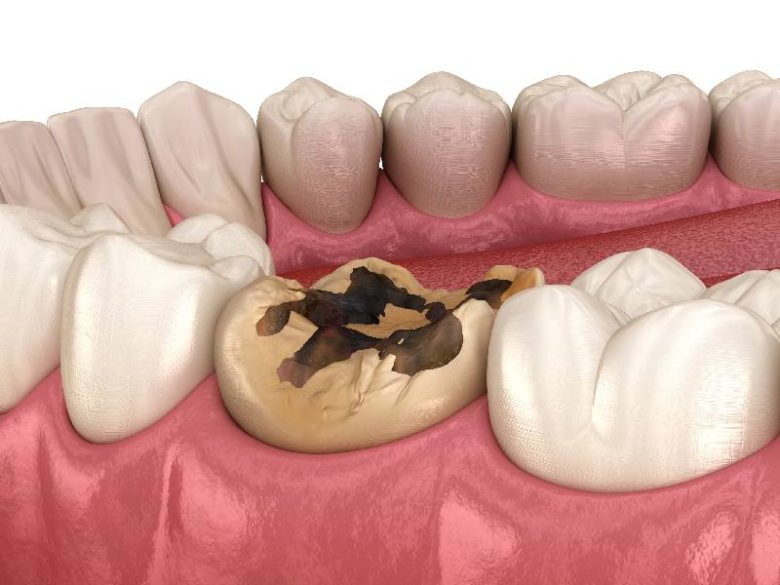
The term “dead tooth” sounds like something out of a gothic novel, but in the world of dentistry, it’s a relatively common clinical occurrence. If you’ve been told you have a non-vital tooth, or if you’ve noticed one of your teeth turning a suspicious shade of grey, you likely have many questions—and perhaps a fair amount of anxiety.
At Winn Family Dentistry, your trusted dentist Chippewa Falls WI, we believe that education is the best way to alleviate dental fear. A dead tooth isn’t necessarily a lost cause. In fact, with modern technology and timely intervention, we can often save your natural smile and prevent the need for an extraction.
What Exactly is a Dead Tooth?
To understand how a tooth “dies,” we have to look at what’s happening beneath the hard white enamel. Inside every tooth is a living core called the pulp. This pulp contains a complex network of blood vessels, connective tissue, and nerves. These elements keep the tooth “alive” by providing nutrients and sensory feedback (like feeling cold when you eat ice cream).
A dead tooth (technically called a necrotic tooth) occurs when the blood supply to the pulp is cut off. Without blood, the living tissue inside the tooth dies, and the nerve stops functioning.
The Leading Causes of Pulp Necrosis
There are generally two primary pathways that lead a tooth to become non-vital:
- Physical Trauma: A sudden impact to the mouth—perhaps during a Chippewa Falls high school football game or an accidental fall—can sever the blood vessels at the tip of the tooth’s root. The tooth may not even be cracked or chipped, but the internal “plumbing” has been disconnected. Over time, the pulp will wither and die.
- Deep Decay and Infection: This is the more gradual path. When a cavity is left untreated, bacteria eat through the enamel and dentin until they reach the pulp. Once the bacteria invade this sensitive area, an infection (pulpitis) occurs. The resulting pressure and inflammation can cut off the blood supply, effectively killing the tooth.
Signs and Symptoms: How to Spot a Dead Tooth
One of the most dangerous things about a dead tooth is that it doesn’t always hurt. In fact, sometimes the pain stops because the nerve has died. However, there are several red flags to watch for:
1. Color Changes
This is the most common visual sign. As the blood cells inside the tooth break down, they leach into the porous dentin, much like a bruise under the skin. The tooth may take on a yellow, grey, light brown, or even blackish hue.
2. Persistent Pain or Pressure
While the nerve inside the tooth might be dead, the nerves around the outside of the tooth (in the periodontal membrane) are very much alive. If an infection spreads from the dead pulp into the surrounding bone, it can cause an abscess, leading to:
- Intense, throbbing pain.
- Sensitivity to heat or pressure.
- A “pimple” on the gums (fistula).
3. Bad Taste or Odor
When the tissue inside the tooth dies and begins to decompose, it can release gases and pus that result in a persistent foul taste in your mouth or noticeable bad breath.
4. Swelling
Swelling in the gums near the base of the tooth or even in the face is a sign of a spreading infection and often indicates an emergency situation.
Dead Tooth Treatment: Can it be Saved?
The short answer is yes, in many cases, a dead tooth can be saved! The goal of dead tooth treatment is to remove the dead tissue and bacteria to prevent the infection from spreading to your jawbone and other teeth.
The Gold Standard: Root Canal on Dead Tooth
A root canal on dead tooth is the most common way we preserve your natural smile. During this procedure, your dentist Chippewa Falls WI will:
- Numb the area completely so you feel no discomfort.
- Create a small opening in the crown of the tooth.
- Remove the dead pulp and clean the internal canals thoroughly.
- Fill and seal the canals with a biocompatible material (gutta-percha).
- Place a permanent crown over the tooth to restore its strength and appearance.
The Alternative: Extraction and Replacement
If the tooth is severely fractured or the bone support is too weak, saving it may not be possible. In these cases, the tooth must be extracted to protect your overall health. To fill the gap, we may recommend a dental implant or bridge. While we always strive to save the natural tooth, an extraction followed by an implant is a highly effective way to maintain your oral function.
Why You Shouldn’t Wait: The Danger of the “Silent” Tooth
If you suspect you have a dead tooth but aren’t in pain, you might be tempted to put off your visit. This is a mistake. A dead tooth is a haven for bacteria. Left untreated, that bacteria can travel through the root tip and into your jawbone, causing a painful abscess or even systemic health issues.
If you are experiencing swelling or severe pain, you need an emergency dentist Chippewa Falls WI immediately. At Winn Family Dentistry, we prioritize emergency cases to get you out of pain and stop the spread of infection before it becomes life-threatening.
Affordable Dental Care in Chippewa Falls
We understand that unexpected dental procedures can be a strain on the budget. Our mission is to provide affordable dental care Chippewa Falls residents can rely on. We work with a variety of insurance providers and offer flexible payment options to ensure that the cost of a root canal or crown doesn’t stand in the way of saving your tooth.
Preventing a tooth from dying is always cheaper than treating one that has already perished. Regular checkups allow us to catch decay before it reaches the pulp, saving you time, money, and discomfort.
Dead Tooth Frequently Asked Questions (FAQ)
1. Is a dead tooth a dental emergency?
If the tooth is accompanied by swelling, fever, or throbbing pain, it is an emergency. These are signs of an abscessed infection that could spread. You should contact an emergency dentist Chippewa Falls WI right away. If the tooth has only changed color but doesn’t hurt, it is still urgent, but you can typically wait for the next available routine appointment.
2. Does a root canal on dead tooth hurt?
Actually, because the nerve inside the tooth is dead, the tooth itself can’t feel pain. However, we still use local anesthesia to ensure the surrounding gum tissue is completely numb. Most patients find the procedure no more uncomfortable than getting a standard filling.
3. How long can a dead tooth stay in your mouth?
You should never leave a dead tooth in your mouth without treatment. While some dead teeth can stay in place for months without causing pain, they are a ticking time bomb for infection. Eventually, the bacteria will multiply and cause an abscess, which can damage the jawbone and lead to tooth loss.
4. Will my tooth look normal again after dead tooth treatment?
Yes! Because dead teeth often turn grey or dark, a root canal alone won’t fix the color. This is why we almost always recommend a porcelain crown. A crown is custom-matched to your surrounding teeth, completely hiding the discoloration and restoring the tooth’s natural beauty.
5. What is the most common cause of a dead tooth in adults?
For most adults, the primary cause is untreated deep decay. When a cavity is ignored, it eventually breaches the pulp chamber. However, physical trauma (like a hit to the face) is a very close second, even if the injury happened years in the past.