
- Best Kids Dentist in Chippewa Falls: What to Look For
- How Do I Know if I Have a Cavity? Tips from a Chippewa Falls Dentist
- What Is the Importance of Emergency Dentist Services
- Why Are My Teeth Yellow? Causes & How to Whiten Them Safely
- Looking for Chippewa Falls Dental Care? Here’s What to Consider First
Ask a Family Dentist: How to Turn Flossing into an Everyday Habit
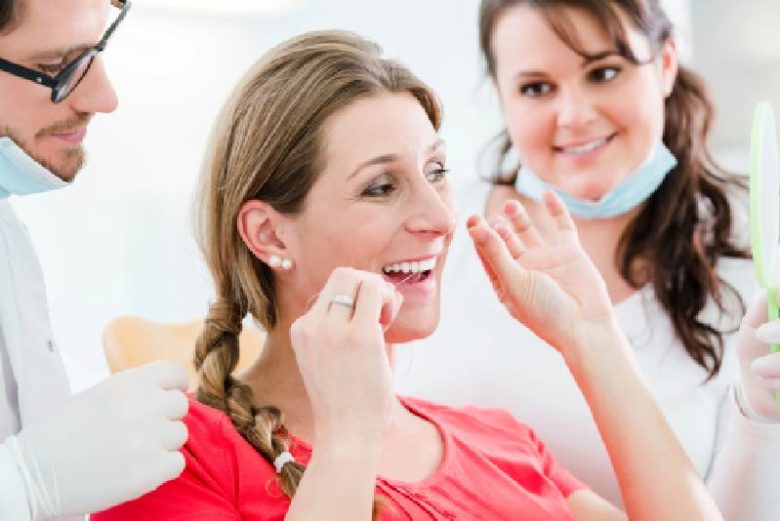
We hear it all the time at Winn Family Dentistry: “I brush twice a day, but I just can’t seem to get into a regular flossing routine.” If this sounds familiar, you are definitely not alone. Keeping up with a daily flossing regimen is one of the most common hurdles our patients face when trying to maintain an optimal oral health routine.
As a dedicated family dentist Chippewa Falls families rely on, we view our role as more than just fixing teeth. We are here to provide practical, realistic health habits that fit into your busy life. Brushing is fantastic, but it only cleans about 60 percent of your teeth’s surfaces. The other 40 percent lies right between them, which is exactly where food particles and bacteria love to hide.
Let’s dive into some expert family dental advice to understand why flossing is so non-negotiable and how you can seamlessly blend it into your daily routine until it becomes second nature.
Why Brushing Alone Simply Isn’t Enough
To understand why your Chippewa Falls family dentist emphasizes flossing so much, it helps to look at the anatomy of a tooth. Every tooth has five distinct surfaces: the front, the back, the chewing surface, and two side surfaces that press up against neighboring teeth. When you brush, your toothbrush bristles can easily scrub the front, back, and top. However, those bristles are physically too thick to slide into the tight gaps between teeth.
When food debris and microscopic plaque are left undisturbed in those tight spaces, they begin to calcify into tartar (also known as calculus) within about 24 to 48 hours. Tartar is hardened plaque that cannot be brushed away at home; it requires professional instruments at a dental office to remove. Over time, tartar buildup along the gumline triggers an immune response, leading to red, swollen, and bleeding gums, which are the classic signs of gingivitis.
By prioritizing preventive dentistry Chippewa Falls residents can actively shield themselves from several major dental issues:
- Interproximal cavities: This refers to tooth decay that forms precisely where two teeth touch.
- Periodontal disease: This is chronic gum disease that can destroy the bone supporting your teeth.
- Chronic bad breath: This condition, also called halitosis, is caused by sulfur-producing bacteria trapped between teeth.
The Psychology of Building an Unshakeable Habit
Knowing why you should floss is rarely the issue. The real challenge lies in behavior modification. Many people approach flossing with an all-or-nothing mentality. They visit a dentist in Chippewa Falls WI for a routine cleaning, vow to change their ways, and floss perfectly for three days straight before life gets busy and the routine falls apart.
To build a permanent habit, it helps to use proven behavioral strategies like habit stacking. This concept, popularized by behavioral psychologists, involves pairing a new habit you want to build with an established habit you already do automatically every single day.
For instance, you already brush your teeth without thinking about it. By anchoring flossing directly to your brushing routine, you create an instant mental cue.
Step-by-Step: The Friction-Free Path to Daily Flossing
If you want to turn flossing into a permanent part of your day, you need to remove the physical and mental barriers that make you skip it. Here is a simple, stress-free strategy to get started:
1.Choose your anchor time: Day 1.
Decide whether you will floss before you brush in the morning or right before bed. Flossing before you brush is often highly effective because it loosens up debris, allowing the fluoride in your toothpaste to coat the spaces between your teeth more thoroughly.
2.Reduce the physical friction: Day 1-5.
Don’t hide your dental floss away in a dark bathroom drawer. Leave it sitting right on top of your bathroom counter, directly next to your toothbrush or your faucet. Visual cues are incredibly powerful reminders for your brain.
3.Start ridiculously small: Week 1.
Commit to flossing just two teeth tonight. That is it. Lowering the barrier to entry removes the mental dread of a tedious task. Most of the time, once you have started and have the floss in your mouth, you will go ahead and finish the rest of your teeth anyway.
4.Celebrate the small win: Every Night.
Take a brief moment to look in the mirror after you finish and appreciate how clean your mouth feels. Positive reinforcement creates a mini dopamine hit in your brain, making you much more likely to repeat the action tomorrow.
Exploring Modern Flossing Tools: Beyond Traditional String
Many of our patients at Winn Family Dentistry admit that they avoid flossing because standard string floss feels awkward to wrap around their fingers, or they have tight dental contacts that cause the string to shred. Fortunately, modern family dental care Chippewa Falls options include a variety of user-friendly alternatives to traditional dental floss:
Floss Picks
These small, plastic handheld tools hold a pre-threaded piece of floss for you. They are incredibly convenient because you only need one hand to operate them, making them perfect for younger children developing their motor skills, or adults with limited hand mobility.
Water Flossers (Oral Irrigators)
A water flosser uses a targeted, pulsating stream of pressurized water to blast away plaque and food particles from between the teeth and beneath the gumline. While traditional string floss is still the gold standard for scraping away sticky bacterial film, water flossers are an outstanding alternative for patients with orthodontic braces, dental bridges, or severe physical dexterity challenges like arthritis.
Interdental Brushes
These are tiny, specialized, tree-shaped brushes designed to slip into the gaps between your teeth. They come in various widths and are remarkably efficient at sweeping out larger spaces where gums may have receded slightly.
If you are unsure which tool is right for your unique smile, simply search for a “Dentist near me” or call our team. We are always happy to evaluate your alignment and recommend the exact tools that will make your home care routine a breeze.
Overcoming Common Obstacles: What to Do If Your Gums Bleed
One of the most frequent complaints we hear from patients trying to establish a new flossing habit is: “I tried flossing, but my gums started bleeding, so I stopped.”
It is completely natural to feel alarmed when you see blood in the sink, but it is vital to understand what that bleeding actually means. Bleeding gums are almost always a clear indicator of localized inflammation, which is known as gingivitis. This is caused by plaque bacteria that has been left sitting undisturbed against the delicate gum tissue for too long.
Important Note: Think of bleeding gums like an unconditioned muscle. If you haven’t lifted weights in months, your muscles will feel sore after your first workout. Similarly, unconditioned gums will bleed slightly when you first begin clearing out trapped bacteria.
If you continue to floss gently every day, that inflammation will steadily subside. Within seven to ten days of consistent flossing, the tissues will heal, firm up, and stop bleeding entirely. If your gums continue to bleed heavily after two weeks of daily flossing, give us a call so we can check for underlying issues.
Frequently Asked Questions
Is it better to floss in the morning or at night?
The most important factor is consistency rather than the specific clock time. However, flossing at night before you go to bed is highly recommended. Your salivary flow decreases significantly while you sleep, which means bacteria can multiply much faster during the night if food particles are left trapped between your teeth.
Can a water flosser completely replace traditional string floss?
While a water flosser is an excellent supplemental tool that removes loose debris and washes away bacteria, it cannot completely replace the physical scraping action of string floss. Traditional floss physically rubs against the tooth surface to break up sticky plaque film. For the absolute best results, we recommend using both together.
Should I floss before or after I brush my teeth?
We generally recommend flossing before you brush. When you floss first, you clear out the tight spaces between your teeth. This allows the fluoride and protective ingredients in your toothpaste to travel deeper into those gaps during your brushing routine, providing better overall protection against cavities.
What should I do if my floss constantly tears or gets stuck?
If your dental floss shreds frequently, you may have very tight contacts between your teeth or sharp edges on old fillings. Try switching to a monofilament floss or a ribbon-style floss coated in wax, which glides much smoother. If the problem persists, let us know at your next visit so we can check for rough spots.
At what age should my children start flossing?
You should start flossing your child’s teeth as soon as any two teeth grow in close enough to touch each other. This often happens around the age of two to three years old. Because young children lack the physical dexterity to floss effectively on their own, parents should assist them with this task until they are roughly eight to ten years old.
Partner with Your Trusted Chippewa Falls Dental Team
Achieving a healthy, radiant smile is a collaborative effort between your daily home care routine and professional clinical care. No matter how long it has been since your last dental cleaning, our compassionate team is here to support you without judgment. We want to help you design a customized preventive plan that keeps your teeth strong for a lifetime.
If you are looking for a reliable, friendly team to manage your family’s smiles, we invite you to experience the difference at Winn Family Dentistry. Contact us today to schedule your next checkup and cleaning!