
- Best Kids Dentist in Chippewa Falls: What to Look For
- How Do I Know if I Have a Cavity? Tips from a Chippewa Falls Dentist
- What Is the Importance of Emergency Dentist Services
- Why Are My Teeth Yellow? Causes & How to Whiten Them Safely
- Looking for Chippewa Falls Dental Care? Here’s What to Consider First
Why Are My Teeth Yellow? Causes & How to Whiten Them Safely
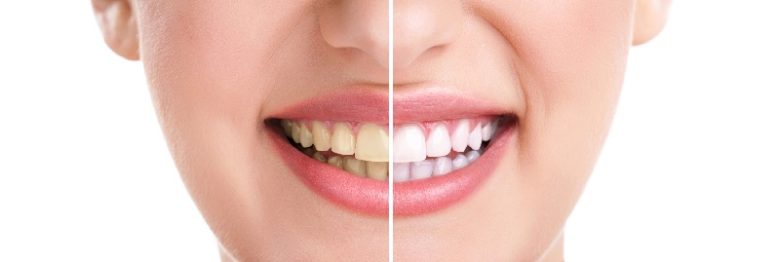
A bright, white smile can boost your confidence and leave a lasting first impression. However, many people notice their teeth gradually losing their shine over time. If you look in the mirror and wonder why your teeth are turning yellow, you are not alone. Tooth discoloration is a very common issue, but understanding what causes it is the first step toward restoring your bright smile.
At Winn Family Dentistry, we help patients achieve healthy, beautiful smiles every day. Whether you are searching for an experienced dentist Chippewa Falls WI or exploring professional whitening treatments, this guide covers everything you need to know about tooth discoloration, safe whitening methods, and how to maintain results.
What Causes Teeth to Turn Yellow?
Tooth discoloration happens for a variety of reasons. Generally, causes fall into two main categories: extrinsic stains (surface stains) and intrinsic stains (discoloration inside the tooth structure).
1. Dietary Habits and Surface Stains
The foods and drinks you consume daily play a huge role in the appearance of your teeth. Certain items contain deep pigments called chromogens, high acid content, or tannins that attach to enamel:
- Coffee and Tea: Dark pigments in coffee and dark teas easily stick to the surface of enamel.
- Red Wine: The combination of acidity and dark pigments makes red wine a leading cause of tooth staining.
- Sodas and Dark Juices: Colas, dark berries, and acidic juices weaken enamel, making it easier for stains to set in.
- Highly Pigmented Foods: Sauces like soy sauce, tomato sauce, and curry can leave noticeable surface stains over time.
2. Tobacco Use
Whether you smoke cigarettes, use cigars, or chew tobacco, nicotine and tar create stubborn dark yellow or brown stains. Nicotine is clear until it mixes with oxygen, after which it turns yellow and deeply penetrates enamel pores.
3. Natural Aging and Enamel Thinning
Enamel is the hard, white outer shell of your teeth. Directly beneath enamel lies dentin, a softer tissue that is naturally yellow. As you age, your enamel gradually wears down from daily chewing, brushing, and exposure to acidic foods. As outer enamel thinned, the underlying yellow dentin becomes more visible.
4. Poor Oral Hygiene and Plaque Buildup
Skipping regular brushing and flossing allows plaque and tartar (calculus) to build up on your teeth. Plaque is a sticky film of bacteria that traps food particles and stains, causing a dull or yellowish coating. Over time, hardened tartar can only be removed during a professional dental cleaning.
5. Medical Conditions, Medications, and Genetics
Sometimes discoloration originates from inside the tooth:
- Medications: Certain antibiotics, such as tetracycline or doxycycline given during childhood, can discolor developing teeth. High blood pressure medications and antihistamines can also contribute.
- Genetics: Some people naturally have thicker or whiter enamel than others, while others inherit naturally darker dentin.
- Fluorosis: Excessive exposure to fluoride during early childhood can lead to white streaks or yellow-brown discoloration.
Safe and Effective Ways to Whiten Your Teeth
When you want to brighten your smile, choosing a safe method is essential. Unvetted home remedies can permanently damage your enamel and cause severe tooth sensitivity.
Professional In-Office Teeth Whitening
For fast, dramatic, and predictable results, professional treatments supervised by a teeth whitening dentist Chippewa Falls are the gold standard.
- Safe Formulations: Professional-grade gels use higher concentrations of hydrogen peroxide or carbamide peroxide that are formulated to minimize sensitivity.
- Custom Protection: Your dentist protects your gums and soft tissues before applying the gel, preventing irritation or burns.
- Instant Results: An in-office treatment can lighten your teeth several shades in a single hour-long visit.
Professional Custom Take-Home Kits
If you prefer whitening at your own pace, custom take-home whitening trays provided by your dental office offer an effective solution. Your dentist takes detailed impressions of your mouth to create custom-fitted trays. You fill these trays with a clinical-grade whitening gel and wear them for a specified amount of time each day. Custom trays ensure even gel distribution while keeping the whitener off your sensitive gum tissues.
Over-the-Counter Whitening Strips
Store-bought whitening strips offer a convenient option for mild surface stains. While accessible, they have lower concentrations of active whitening ingredients compared to professional options. Furthermore, standard strips are not tailored to the shape of your teeth, which can lead to uneven whitening near the gumline or along crooked teeth.
Teeth Whitening Methods to Avoid
With so many whitening trends circulating online, it is easy to try methods that do more harm than good.
- Charcoal Toothpaste: Activated charcoal is highly abrasive. While it may scrub away surface stains initially, it can quickly wear down thin enamel, exposing the yellow dentin underneath and making your teeth look darker over time.
- Lemon Juice and Baking Soda Pastes: Applying acidic lemon juice directly to enamel dissolves the protective calcium layer. Mixing it with abrasive baking soda creates a mixture that strips away enamel.
- Oil Pulling for Whitening: While swishing oil (such as coconut oil) may help reduce oral bacteria, there is no clinical evidence that it lightens enamel stains.
How to Prevent Future Stains and Maintain a Bright Smile
After investing in professional whitening or simply working to improve your natural tooth color, keeping stains at bay requires proactive habits.
- Rinse or Brush After Meals: Rinse your mouth with water immediately after drinking coffee, tea, wine, or eating dark foods to prevent pigments from setting into enamel.
- Drink Through a Straw: Use a straw when enjoying iced coffee, sodas, or dark juices to bypass your front teeth.
- Practice Consistent Hygiene: Brush twice a day with fluoride toothpaste and floss at least once daily to prevent plaque buildup.
- Schedule Routine Cleanings: Visiting your dentist every six months for a professional dental cleaning removes surface stains and hard tartar buildup before long-term discoloration forms.
Why Choose Winn Family Dentistry for Your Smile?
At Winn Family Dentistry, we believe every patient deserves a healthy, radiant smile they feel proud to share. If you are looking for top-tier teeth whitening Chippewa Falls, our team offers tailored treatments designed around your specific tooth sensitivity levels and aesthetic goals.
We take time to evaluate the root cause of your discoloration to ensure you receive the safest, most effective care possible. Whether you need a routine preventative checkup or advanced cosmetic care, our goal is to serve as the best dentist in Chippewa Falls by offering compassionate, modern, and comprehensive dental support for your whole family.
If you are concerned about yellow teeth Chippewa Falls or want to learn more about professional whitening choices, contact Winn Family Dentistry today to set up your consultation.
Frequently Asked Questions (FAQ)
Does professional teeth whitening hurt or cause permanent sensitivity?
Professional whitening treatments are designed to protect enamel and minimize nerve irritation. While temporary mild sensitivity to hot or cold temperatures can occur during or immediately after treatment, it usually resolves within 24 to 48 hours. Your dentist can also apply desensitizing agents or adjust gel strength to keep you completely comfortable.
How long do professional teeth whitening results last?
Results generally last anywhere from six months to two years, depending on your lifestyle and diet. Frequent consumption of dark liquids, tobacco use, or poor oral hygiene will shorten the longevity of your results. Regular touch-ups using custom take-home trays help maintain a bright shade over time.
Can teeth whitening lighten dental crowns, veneers, or fillings?
No. Bleaching agents only work on natural enamel. Synthetic materials used for crowns, porcelain veneers, dental bonding, or tooth-colored fillings will not change color during a whitening treatment. If you plan to replace older restorations, it is best to whiten your natural teeth first so the new restorations can be matched to your brighter shade.
Why are my teeth still yellow even though I brush every day?
Brushing removes soft plaque and surface food particles, but it cannot reverse deep intrinsic stains inside the tooth or fix yellowing caused by worn enamel exposing natural dentin. Additionally, brushing alone cannot remove hardened tartar. Regular professional checkups and tailored whitening treatments are required to clear deep-set discoloration.
How often should I get a professional dental cleaning?
Most patients benefit from a professional cleaning every six months. These visits allow your dental hygienist to remove surface stains, plaque, and tartar that daily brushing misses, keeping your enamel clean and your gums healthy. Some patients with a history of gum care needs may require more frequent visits as recommended by their dentist.