
- Best Kids Dentist in Chippewa Falls: What to Look For
- How Do I Know if I Have a Cavity? Tips from a Chippewa Falls Dentist
- What Is the Importance of Emergency Dentist Services
- Why Are My Teeth Yellow? Causes & How to Whiten Them Safely
- Looking for Chippewa Falls Dental Care? Here’s What to Consider First
Dental Inlay, Onlay, Fillings, or Crowns: Which is Best for You
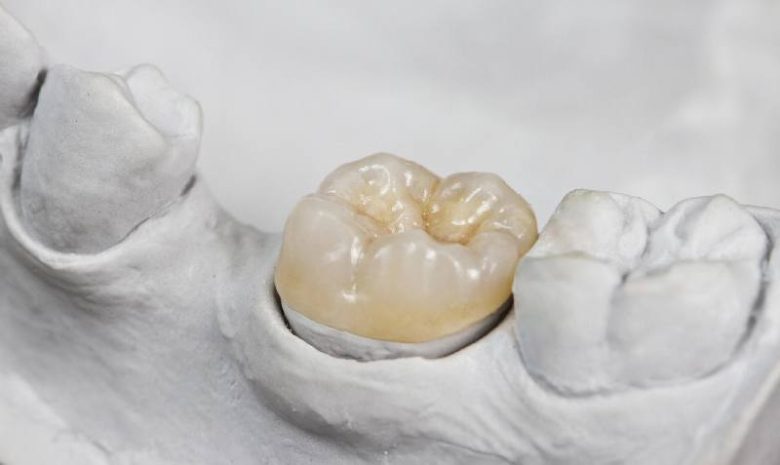
When you visit a dentist near me Chippewa Falls for a routine exam, you might occasionally hear that you need restorative work. Whether it is due to a cavity, a crack, or general wear, the goal of modern dentistry is to restore the function and aesthetics of your smile. At Winn Family Dentistry, we specialize in a wide range of tooth repair options to ensure that your oral health remains in peak condition.
Choosing between a filling, an inlay, an onlay, or a crown can feel overwhelming if you do not understand the differences. This guide will break down these common procedures so you can feel informed and confident during your next visit.
Understanding Tooth Repair Options
Not every dental problem requires the same solution. The choice between a filling, inlay, onlay, or crown usually depends on the size of the area being treated, the location of the tooth, and the structural integrity of the remaining natural tooth tissue.
If you have been searching for dental near me results, you likely want a practice that offers a comprehensive approach to family dental care in Chippewa Falls. We prioritize clear communication so that you understand exactly why a specific treatment is recommended for your unique situation.
1. Dental Fillings
Dental fillings are the most common solution for small to medium-sized cavities. If decay is caught early, a Chippewa Falls dentist can remove the damaged portion of the tooth and fill the space with a composite resin material.
- Best for: Minor decay or small areas of tooth structure loss.
- Procedure: Often completed in a single visit, this is a quick and efficient way to stop decay from spreading.
2. Dental Inlays
An inlay is similar to a filling but is fabricated in a dental laboratory or through specialized CAD/CAM technology. It is designed to fit precisely into the grooves on the top of the tooth. When you seek a dental inlay Chippewa Falls provider, you are looking for a high-quality restoration that is stronger and more durable than a traditional filling.
- Best for: Decay that is too large for a standard filling but does not require covering the entire surface of the tooth.
3. Dental Onlays
Often called a partial crown, an onlay is used when the damage covers a larger area and may involve one or more of the “cusps” or points of the tooth. A dental onlay Chippewa Falls treatment is a fantastic way to preserve more of your natural tooth structure than a full crown would allow.
- Best for: Moderate damage where the structural integrity of the tooth needs to be reinforced.
4. Dental Crowns
A crown is a custom-made cap that covers the entire visible portion of the tooth. If you need dental crowns Chippewa Falls services, it usually means your tooth has suffered significant damage, such as a large fracture, a root canal, or deep decay that leaves little healthy structure behind.
- Best for: Severely damaged, weakened, or heavily decayed teeth that need maximum protection and support.
Evaluating Your Needs at Winn Family Dentistry
Selecting the right restorative treatment is about balance. You want to remove all decay and restore the tooth’s shape, but you also want to conserve as much healthy tooth structure as possible.
Our commitment to family dental care in Chippewa Falls means we take the time to evaluate your bite, your habits, and your long-term goals. We do not believe in a one-size-fits-all approach. Whether you are a parent bringing your children in for a checkup or an adult seeking cosmetic restoration, we tailor our recommendations to meet your specific needs.
Many patients ask why they cannot simply have a filling for a larger cavity. The answer is durability. If a cavity is too large, a standard filling might not be able to withstand the pressure of chewing. In these cases, an inlay, onlay, or crown provides the necessary reinforcement to prevent the tooth from cracking further.
Maintaining Your Restorations
Regardless of which option is chosen, the longevity of your dental work depends on your home care routine. Even after a procedure, you must maintain excellent hygiene habits to prevent new decay from forming around the edges of your restoration.
- Brush Twice Daily: Use a soft-bristled toothbrush and fluoride toothpaste.
- Floss Regularly: This is critical for cleaning the spaces between your teeth, especially around crowns and onlays.
- Routine Visits: Stay on a schedule for professional cleanings. This allows us to monitor your restorations and ensure they are holding up correctly.
By staying proactive, you can avoid more extensive work down the road. Our team is always here to answer questions if you notice any changes or sensitivity in your restored teeth.
Frequently Asked Questions (FAQ)
1. How do I know if I need a filling or a crown?
The choice depends on how much of the original tooth structure remains. A filling is for minor decay, while a crown is used when the tooth is structurally compromised and needs full coverage for protection. During your exam, we will assess the damage and discuss the best choice for you.
2. Are dental inlays and onlays as strong as crowns?
Yes. Inlays and onlays are made from highly durable materials like porcelain or composite resin. They are designed to be extremely strong and are an excellent way to restore teeth while keeping more of your natural structure than a crown.
3. Will the procedure be painful?
We prioritize your comfort at our clinic. We use local anesthesia to ensure you do not feel pain during the procedure. Many patients find the process quite manageable, and we are happy to discuss sedation options if you feel anxious.
4. How long do these restorations typically last?
With proper care, fillings can last for many years. Inlays, onlays, and crowns are even more durable and can last for a decade or longer. Good oral hygiene and regular checkups at your local clinic are the best ways to extend the life of your dental work.
5. Why choose a local office for my dental work?
Choosing a dentist near me Chippewa Falls allows for better continuity of care. You build a relationship with a team that knows your dental history, which makes identifying issues early much easier. We take pride in serving our neighbors and keeping our community smiling.