
- Dental Sealants for Kids: Are They Worth It? A Chippewa Falls Dentist Explains
- Sensitive Teeth: Causes, Treatments and When to See a Chippewa Falls Dentist
- Walk-In Dentist or Emergency Dentist? What to Do When Pain Hits
- Affordable Dentist in Chippewa Falls: Insurance, Payment Plans and Costs
- Best Kids Dentist in Chippewa Falls: What to Look For
Dental Sealants for Kids: Are They Worth It? A Chippewa Falls Dentist Explains
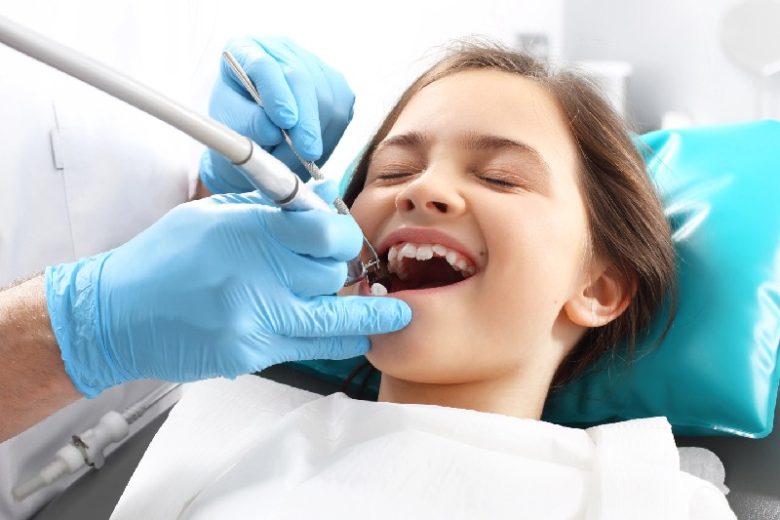
As a parent, keeping your child healthy and happy is always a top priority. From packing nutritious lunches to encouraging regular hand washing, you do everything you can to protect your little ones. When it comes to healthcare routines, dental hygiene plays a massive role in overall wellness. Childhood is a crucial time for building lifelong habits, but it is also a stage when teeth are especially vulnerable to cavities.
If you have ever sat in the dental chair and listened to a provider talk about preventive options, you might have heard about protective coatings for molars. Parents often wonder whether these treatments are truly necessary or if they are just an unnecessary extra expense. At Winn Family Dentistry, we talk with parents every single week about the best ways to protect young smiles. Let us explore what these protective barriers are, how they work, and why investing in them is one of the smartest choices you can make for your child’s dental future.
Understanding the Vulnerability of Young Smiles
Children love to eat delicious snacks, but their favorite foods often come with a hidden cost. Sugary snacks, sticky candies, and starchy treats feed the harmful bacteria living inside the mouth. When these bacteria consume sugars, they produce acid that attacks tooth enamel and creates cavities.
The back teeth, known as molars, are particularly susceptible to decay. If you look closely at the chewing surfaces of these teeth, you will notice a complex network of tiny grooves, pits, and fissures. These microscopic valleys are fantastic for grinding up food, but they are also narrow enough to trap microscopic food particles and plaque.
Even with great brushing habits, a child’s toothbrush bristles are often too thick to reach all the way down into those deep grooves. When food and bacteria hide out in these crevices undisturbed, decay can begin to form very quickly. This is where preventive dental care comes in to save the day.
What Are Dental Sealants and How Do They Work?
Dental sealants for kids are thin, protective plastic coatings that are painted directly onto the chewing surfaces of the back teeth. Think of them like a clear raincoat for your child’s molars.
The application process is completely non-invasive, quick, and entirely painless. Here is what you can expect during a quick visit to our clinic:
Step 1: Thorough Cleaning
First, the teeth that are going to be treated are thoroughly cleaned. The provider ensures that all plaque, food particles, and debris are completely removed from the grooves of the molars.
Step 2: Drying and Conditioning
Next, the tooth is dried thoroughly and kept isolated so that no moisture interferes with the bonding process. A mild conditioning solution is applied to the chewing surface for a few seconds to slightly roughen the texture. This microscopic roughening helps the coating material stick securely to the enamel.
Step 3: Painting the Coating
After rinsing and drying the tooth once more, the liquid sealant material is carefully painted onto the molar grooves. The liquid flows smoothly into every tiny pit and fissure, sealing off any space where bacteria could potentially hide.
Step 4: Hardening with a Curing Light
Finally, a specialized blue curing light is used to harden the liquid resin material within seconds. Once hardened, the coating turns into a solid, durable plastic shield that protects the tooth from everyday wear and tear.
Are Dental Sealants Truly Worth the Investment?
When parents evaluate preventive procedures, cost and longevity are usually top of mind. The resounding answer from dental professionals is yes, they are completely worth it. Research consistently shows that these protective coatings significantly reduce the risk of decay in molars.
Consider the alternative. Treating a cavity requires drilling away decayed tooth structure and placing a filling. For a young child, sitting through a filling procedure can be stressful, scary, and uncomfortable. Furthermore, fillings do not last forever and will eventually need to be replaced as the child grows.
Preventive coatings stop decay before it ever starts. By investing in this simple procedure early on, you save your child from the physical discomfort of cavities and save your family from the financial stress of restorative treatments. It is a proactive strategy that offers incredible peace of mind.
Who Should Get Sealants and When?
Timing is everything when it comes to preventive dental care. Permanent molars typically erupt in two main stages. The first set of permanent molars usually emerges around age six, while the second set comes in around age twelve.
Applying the protective material as soon as these permanent teeth erupt is ideal. This ensures that the molars are protected right from the start, before cavity-causing bacteria have any opportunity to settle into the deep grooves.
While these coatings are most commonly applied to children and teenagers, adults without decay or fillings in their molars can sometimes benefit from them as well. A consultation with a trusted local professional will help determine the right timeline for your family.
Maintaining Sealants at Home
While protective coatings provide a powerful shield against decay, they are not a magic bubble that replaces daily hygiene. A solid at-home care routine remains absolutely vital for maintaining a healthy mouth.
Encourage your children to brush their teeth twice a day using a fluoride toothpaste and a soft-bristled brush. Daily flossing is equally important to remove food particles stuck between the teeth where coatings cannot reach.
During routine visits to your family dental center Chippewa Falls, your care provider will inspect the protective layers to ensure they remain intact. While these barriers are durable and can withstand normal chewing pressure for several years, they can occasionally wear down or chip. If that happens, applying a quick touch-up is simple and straightforward.
Finding Trusted Care for Your Family
Navigating your child’s healthcare needs requires a partner you can trust. Finding a clinic that specializes in children dentistry Chippewa Falls ensures that your kids feel safe, relaxed, and comfortable every time they sit in the chair.
Pediatric dental visits should be positive experiences that build confidence rather than anxiety. When children learn early on that visiting the clinic is a friendly, supportive experience, they are much more likely to maintain great hygiene habits well into adulthood.
If you are looking for a welcoming family dental center Chippewa Falls, our dedicated team is here to support you. We pride ourselves on creating a warm, family-friendly environment where patients of all ages receive top-tier care tailored to their unique needs. Whether your child needs their very first checkup or you want to learn more about protecting their molars with preventive barriers, we are ready to help you keep those smiles bright and healthy.
Frequently Asked Questions
At what age should children get dental sealants?
The ideal time to get these protective coatings is as soon as the permanent molars erupt. The first set usually appears around age six, and the second set emerges around age twelve. Protecting them early prevents bacteria from settling into the deep grooves.
Is the application process painful for kids?
Not at all. The procedure is entirely non-invasive and painless. No drilling or needles are involved, making it a very easy and stress-free experience for young patients who might otherwise feel nervous about visiting the clinic.
How long do dental sealants typically last?
These protective coatings can last for several years under normal chewing pressure. During your regular checkups, your care provider will examine them to ensure they are still intact and apply touch-ups if any wear is detected.
Can sealants replace daily brushing and flossing?
No, they cannot replace daily hygiene routines. While they protect the chewing surfaces of the molars, kids still need to brush twice a day and floss daily to remove plaque from between the teeth and along the gumline.
Are these coatings safe for children?
Yes, they are completely safe. The materials used have been thoroughly tested and approved by dental associations worldwide. They release negligible amounts of materials and provide immense protective benefits against painful cavities.